
Where is Interior Design Headed in 2026?
Discover the 2026 interior design trends — from smart homes to warm minimalism and sustainable living. See how this movement is shaping modern home experiences.
REAL ESTATE
Asad Ali
11/27/20253 min read
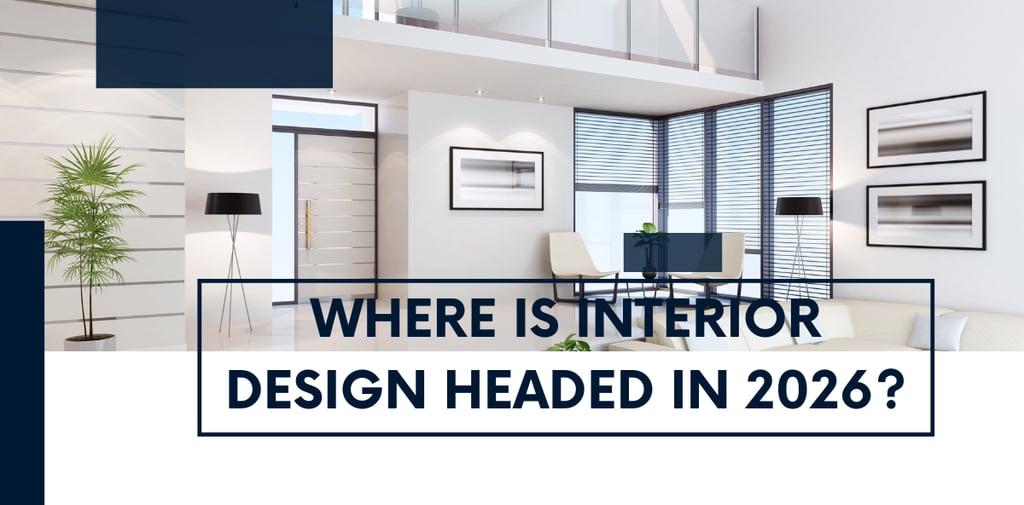

Where Is Interior Design Headed in 2026?
Interior design is evolving faster than ever. What used to be purely about aesthetics has now become a blend of psychology, sustainability, technology, and personal expression. In 2026, interior trends are shifting toward homes that feel smarter, greener, calmer, and more deeply connected to human well-being.
While these design shifts are global, they are especially visible in modern luxury markets like Dubai Real Estate, where homes are built not just to be lived in — but to be experienced.
1. Smart-Integrated Living: Homes That Think With You
In 2026, smart home technology is no longer a futuristic idea — it’s becoming a standard. Homes are evolving from simply being connected to being intuitive.
Key developments:
AI-assisted climate control
Automated lighting that adjusts with natural daylight
Voice-controlled appliances
Smart security systems
App-based home management
This shift goes hand-in-hand with the direction of Dubai Real Estate, where many new developments are launching with built-in smart infrastructure, IoT-enabled living, and seamless digital control.
2. Nature-Infused Interiors (Biophilic Design)
The more technology dominates our lives, the more humans crave a connection to nature.
This trend includes:
Earth-tone color palettes
Natural wood textures
Indoor greenery and vertical plant walls
Stone, clay, marble, and bamboo
Large windows and natural sunlight
Biophilic design is shown to:
reduce stress
improve air quality
enhance sleep quality
increase productivity
In urban environments, this trend provides calmness — especially in a fast-moving city like Dubai.
3. Sustainable & Upcycled Materials
2026 isn’t just about beauty — it’s about responsibility.
Designers are increasingly using:
recycled metals
reprocessed woods
low-VOC paints
fabrics made from natural fibers
environmentally responsible suppliers
Eco-friendly interiors are now luxury signifiers, especially among younger buyers. Developers in Dubai are responding with environment-centered architecture, reduced-emissions construction, and greener interiors.
Sustainability isn’t a design trend — it’s becoming a design philosophy.
4. Flexible & Transformable Spaces
Homes are no longer used in one-dimensional ways.
The new home includes:
living + working + relaxing + hosting
modular furniture
sliding partitions
convertible rooms
wall-folding beds
hybrid spaces
Apartments are designed so that:
the dining room becomes a meeting room
the bedroom becomes a meditation area
the kitchen becomes a social hub
In areas of high demand like Downtown Dubai, JVC, and Meydan, transformable space solutions are extremely attractive — maximizing functionality within square footage.
5. Personalized Interiors — The End of “One-Style Fits All”
One of the biggest shifts in 2026 is the move away from generic, copy-paste interior trends.
Homeowners now want:
spaces that reflect identity
art that tells their story
cultural influences
meaningful decor items
heritage elements
custom-crafted furniture
Interior design is becoming more emotional and soulful.
Your home becomes your autobiography.
6. Minimalism Evolves Into “Warm Minimalism”
Classic minimalism — cold white walls and sterile spaces — is fading.
In 2026, we see the rise of Warm Minimalism, characterized by:
beige, caramel, taupe, sand tones
soft lighting
gentle curves instead of sharp lines
textured fabrics
warm woods
This creates serenity while still feeling inviting — especially popular in modern Dubai apartments and serviced residences.
7. Bold Kitchens & Statement Bathrooms
Two areas becoming design focal points are:
kitchens
bathrooms
Kitchen trends:
stone islands
hidden storage systems
matte cabinetry
smart appliances
coffee bar areas
integrated wine fridges
Bathroom trends:
spa-style ambient lighting
aroma diffusers
rainfall showers
organic materials
warm natural textures
In Dubai’s latest luxury developments, bathrooms are treated as personal wellness retreats — not just utility spaces.
8. Cultural Blending & Global Fusion
Dubai’s multicultural environment is influencing interiors deeply.
Design inspirations now mix:
Arabic geometry
Mediterranean calmness
Japanese simplicity
Scandinavian clarity
African organic textiles
European timelessness
Homes become cultural mosaics — honest, authentic, global, human.
How This Reflects in Dubai Real Estate
Interior design trends influence buying decisions in one of the world’s most dynamic property markets.
Dubai Real Estate in 2026 is expected to feature:
smart-ready homes as default
eco-conscious finishes
biophilic elements baked into building design
custom-select interior packages for buyers
branded residences with designer-curated interiors
Developers increasingly collaborate with:
luxury interior designers
furniture specialists
environmental consultants
smart-home technology experts
Because in modern real estate:
interior design is no longer decoration — it’s value creation.
Conclusion
Interior design in 2026 is headed toward deeper meaning, stronger emotional comfort, and smarter digital integration. Homes are becoming more intuitive, natural, personal, and environmentally responsible.
The future of living is not just about where you stay —
but how your space supports your body, mind, and life.
And nowhere is this future more clearly expressed than in the evolving landscape of Dubai Real Estate, where design meets technology, luxury meets sustainability, and architecture meets human experience.