
How to Invest in Dubai Gold Street Real Estate
Discover how to invest in Dubai Gold Street real estate. Learn about opportunities, legal requirements, risks, and strategies for success in this iconic market.
REAL ESTATE
Asad Ali
1/13/20265 min read
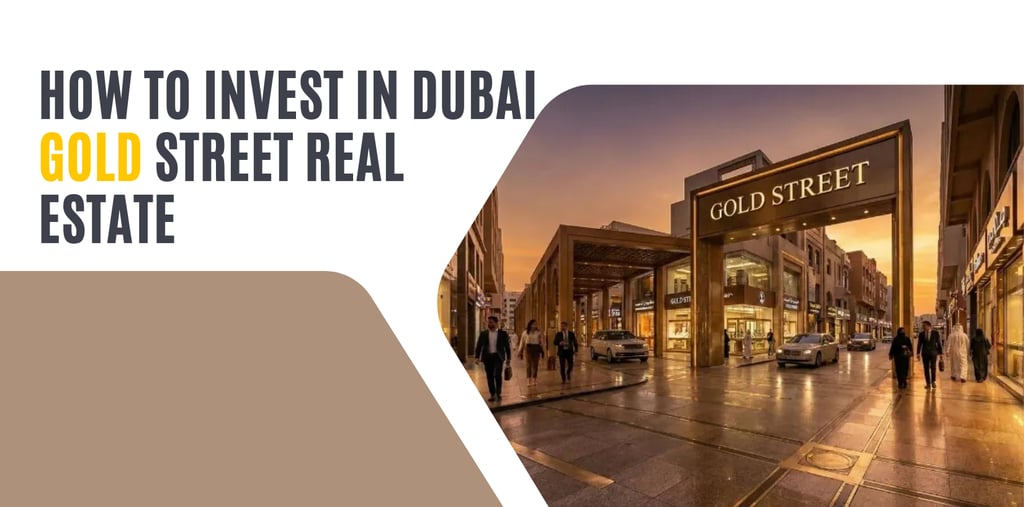
How to Invest in Dubai Gold Street Real Estate
The gleaming shop fronts of Dubai's Gold Souk have long captivated visitors with their dazzling displays of jewelry and precious metals. Yet beyond the glitter lies an equally compelling opportunity: the real estate market surrounding this iconic destination. For investors seeking to tap into Dubai's robust tourism economy and thriving commercial sector, properties in and around Gold Street present a unique proposition that combines cultural heritage with modern investment potential.
Dubai's Gold Souk, commonly referred to as Gold Street, represents one of the emirate's most enduring attractions. Located in the historic Deira district, this traditional marketplace draws millions of visitors annually, creating a constant demand for commercial and residential properties in the vicinity. Understanding how to navigate this specialized real estate market can open doors to profitable investment opportunities in one of Dubai's most established commercial zones.
Understanding the Gold Street Real Estate Landscape
Gold Street isn't merely a single road but rather encompasses the broader Gold Souk area in Deira, including streets like Sikkat al-Khail Street and Old Baladiya Street. The real estate here differs significantly from Dubai's modern districts like Downtown or Dubai Marina. Properties tend to be older, with many buildings dating back several decades, though ongoing renovation and development projects continue to modernize the area.
The real estate market in this zone primarily consists of commercial retail spaces, mixed-use buildings combining retail with residential units, and older apartment buildings. Ground-floor retail spaces command premium prices due to their direct access to the heavy foot traffic generated by the souk. Upper floors typically house small offices, storage facilities, or modest residential apartments, often occupied by the traders and workers who operate the businesses below.
Investment opportunities range from purchasing individual retail units for rental income to acquiring entire buildings for renovation and mixed-use development. The area's status as a heritage trading hub provides a level of stability that newer commercial districts may lack, as the Gold Souk has maintained its relevance for over five decades.
Key Advantages of Investing in Gold Street Properties
Several compelling factors make Gold Street real estate an attractive investment proposition. First and foremost is the consistent foot traffic. The Gold Souk attracts both tourists seeking authentic shopping experiences and local residents making significant jewelry purchases. This reliable visitor flow creates sustained demand for commercial spaces, particularly retail units.
The area benefits from excellent connectivity within Dubai's transportation network. The Al Ras and Gold Souq metro stations provide direct access, while traditional abra water taxis connect the area to Bur Dubai across the creek. This accessibility enhances the appeal for both businesses and potential tenants.
Properties in established commercial areas like Gold Street often demonstrate greater price stability compared to newer developments. While they may not experience the dramatic appreciation seen in emerging districts, they also tend to be more resilient during market downturns. The cultural and historical significance of the Gold Souk provides an additional buffer against obsolescence, as government authorities actively work to preserve and promote these heritage sites.
Rental yields in commercial spaces along Gold Street can be attractive, particularly for well-maintained retail units in prime locations. Businesses are willing to pay premium rents for spaces that offer visibility and access to the souk's established customer base.
Essential Steps for Investing Successfully
Investing in Gold Street real estate requires a methodical approach tailored to the unique characteristics of this market. Begin with comprehensive research into current market conditions, average property prices per square foot, and typical rental yields for different property types. Engage with local real estate agents who specialize in the Deira area, as they possess invaluable knowledge about available properties, pricing trends, and the nuances of negotiating in this traditional market.
Conduct thorough due diligence on any property of interest. Older buildings may require significant maintenance or renovation, so professional inspections are essential. Verify all legal documentation, ensuring clear title and proper registration with the Dubai Land Department. Foreign investors should familiarize themselves with ownership regulations; while freehold ownership is available in designated areas, some properties near Gold Street may be in leasehold zones.
Understanding the tenant mix is crucial for commercial properties. The Gold Souk area has an established business ecosystem, and successful landlords often maintain long-term relationships with reliable tenants. If purchasing an occupied building, review existing lease agreements carefully to understand rental rates, contract terms, and tenant quality.
Financial planning should account for renovation costs, ongoing maintenance, and potential vacancy periods. Older buildings may require upgrades to electrical systems, air conditioning, or structural elements to meet current standards and tenant expectations. Budget accordingly and factor these costs into your investment analysis.
Navigating Legal and Regulatory Requirements
Dubai's real estate sector operates under well-defined legal frameworks designed to protect both investors and tenants. All property transactions must be registered with the Dubai Land Department, with registration fees typically around four percent of the purchase price. Foreign investors can own property outright in designated freehold areas, while other zones may require establishing a local company or entering partnership arrangements.
The Real Estate Regulatory Agency (RERA) oversees rental regulations, including standardized tenancy contracts and guidelines for rent increases. Familiarize yourself with these rules to ensure compliance and maintain positive landlord-tenant relationships. Property management companies can handle day-to-day operations, particularly valuable for international investors who may not be present in Dubai regularly.
Tax considerations are favorable in Dubai, as there is no property tax, capital gains tax, or income tax on rental earnings for individuals. However, investors should consult with tax advisors regarding obligations in their home countries, as international tax laws vary significantly.
Practical Considerations and Risk Management
Every investment carries risks, and Gold Street properties are no exception. The area's older infrastructure means higher maintenance costs compared to newer developments. Tenant turnover can be more frequent in commercial spaces, particularly during economic downturns when retail businesses face pressure.
Competition from modern shopping destinations and online retail represents an ongoing challenge. However, the Gold Souk has demonstrated remarkable resilience by maintaining its position as a destination for serious jewelry buyers and tourists seeking authentic cultural experiences. This heritage value provides some insulation from digital disruption.
Currency fluctuations can impact returns for international investors, as rental income and property values are denominated in UAE dirhams, which are pegged to the US dollar. Political and economic stability in the broader region can also influence Dubai's property market, though the emirate has historically proven robust.
Diversification remains a fundamental principle of investment risk management. Rather than concentrating resources in a single property, consider building a portfolio that balances Gold Street investments with properties in other Dubai locations or asset classes.
Conclusion
Investing in Dubai Gold Street real estate offers a distinctive opportunity to participate in one of the emirate's most established commercial zones. The area's enduring appeal, consistent foot traffic, and cultural significance create a foundation for potentially stable returns. Success requires thorough research, careful property selection, proper legal compliance, and realistic expectations about both opportunities and challenges.
For investors who appreciate the blend of traditional commerce and modern investment potential, Gold Street represents more than just a real estate transaction—it's an entry point into Dubai's rich trading heritage. Whether you're seeking rental income from commercial units or long-term appreciation through property ownership, approaching this market with knowledge, patience, and professional guidance can lead to rewarding investment outcomes. Take the first step by connecting with specialized real estate professionals in Dubai and exploring what this historic district has to offer.